
Revolutionizing Healthcare: The Rise of Sustainable Minimally-Invasive Office Surgery
Healthcare is evolving rapidly, and one of the most promising changes is the shift toward sustainable minimally-invasive surgery performed right in the office. This approach reduces waste, simplifies the patient experience, and avoids the complexities of traditional operating rooms. By eliminating the need for fasting, intravenous lines, and lab tests, office-based surgery offers a more patient-friendly and environmentally conscious alternative.
What Makes Office-Based Minimally-Invasive Surgery Sustainable?
Sustainability in healthcare means reducing environmental impact while maintaining high-quality care. Traditional surgeries often generate significant waste through disposable gowns, drapes, and single-use instruments. They also require large amounts of energy to maintain sterile operating rooms and support complex equipment.
Office-based minimally-invasive surgery cuts down on these factors by:
Using fewer disposable materials
Operating in smaller, energy-efficient spaces
Avoiding extensive preoperative testing and fasting
Reducing the need for anesthesia and intravenous lines
This approach not only lowers the carbon footprint but also decreases medical waste, which is a growing concern in healthcare facilities worldwide.
How Office Surgery Creates Less Waste
Traditional operating rooms produce tons of waste daily. Disposable surgical kits, packaging, and single-use devices contribute heavily to landfill volume. In contrast, office-based surgery uses:
Reusable instruments sterilized on-site
Minimal packaging due to smaller procedure kits
Less reliance on disposable drapes and gowns
For example, a study comparing waste output found that office surgeries produce up to 70% less waste per procedure than hospital surgeries. This reduction is significant when multiplied across thousands of procedures annually.
Simplifying the Patient Experience
The drama of the operating room can be intimidating. Patients often face fasting requirements, preoperative lab tests, and the discomfort of intravenous lines. Office-based minimally-invasive surgery removes many of these barriers:
No fasting needed for most procedures
No preoperative labs in many cases
No IV lines, reducing discomfort and risk
Patients can arrive, have the procedure, and leave the same day with minimal disruption to their daily lives. This convenience improves patient satisfaction and reduces anxiety.
Examples of Procedures Suited for Office Surgery
Many common procedures can be safely and effectively performed in an office setting, including:
Minor surgeries such as skin lesion removal
Small orthopedic procedures like trigger finger release
Removing simple hardware like small metal pins from fracture surgery
These procedures benefit from minimally-invasive techniques that require only local anesthesia and small incisions, making them ideal for office settings.
The Role of Technology in Supporting Office Surgery
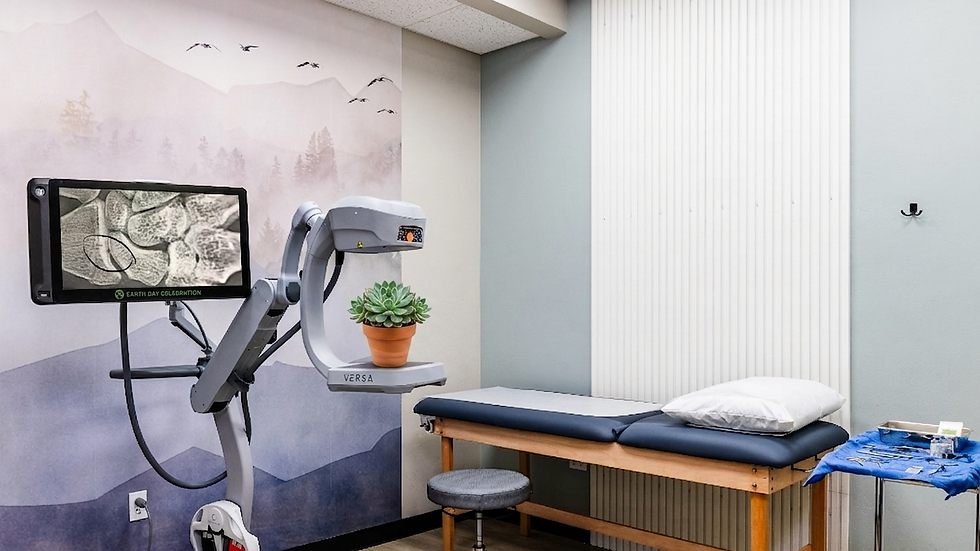
Advances in medical technology have made office-based surgery more feasible and safe. Portable imaging devices, improved local anesthetics, and compact surgical tools allow doctors to perform precise procedures without the need for a full operating room.
For example, portable x-ray machines enable real-time imaging during procedures, improving accuracy and outcomes. Minimally-invasive options with faster recovery times.
Environmental and Economic Benefits
Sustainable office surgery not only helps the environment but also reduces healthcare costs. Hospitals spend millions annually on maintaining operating rooms and managing surgical waste. By shifting appropriate procedures to office settings, healthcare providers can:
Lower facility overhead
Reduce supply costs
Minimize patient time off work
These savings can be passed on to patients and insurers, making care more affordable.
Challenges and Considerations
While the benefits are clear, office-based minimally-invasive surgery requires careful planning:
Ensuring strict infection control standards
Training staff for office-specific protocols
Selecting appropriate patients and procedures
Not all surgeries are suitable for office settings, and patient safety must always come first.
The Future of Sustainable Surgery
As awareness of environmental issues grows, healthcare will continue to seek ways to reduce its impact. Office-based minimally-invasive surgery represents a practical step toward greener healthcare without sacrificing quality.
Patients and providers alike benefit from less waste, simpler procedures, and faster recovery. This model could become the norm for many minor surgeries in the coming years.


Comments